Metabolism: Beyond the Basics
A detailed examination of metabolic processes, factors influencing metabolic rate, and metabolic adaptation to varying energy states and activity patterns.
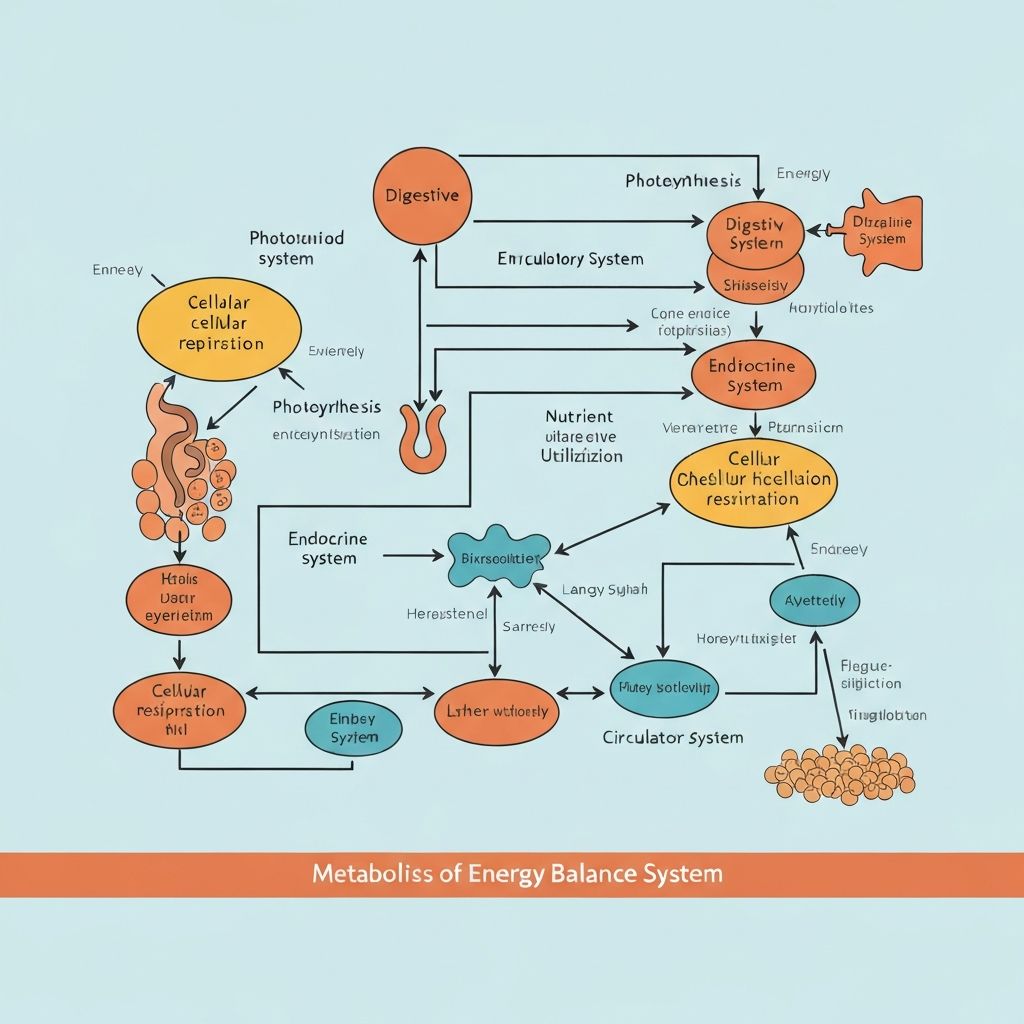
Understanding Metabolism
Metabolism encompasses all biochemical reactions occurring within living organisms to sustain life. These reactions transform nutrients into energy, synthesize new tissues, and eliminate metabolic waste products. Metabolic rate refers to the amount of energy (calories) the body expends during a given time period.
Basal Metabolic Rate (BMR)
Energy expended at rest to maintain essential physiological functions: respiration, circulation, cellular processes, and temperature regulation. Accounts for 60-75% of daily energy expenditure in sedentary individuals.
Activity Energy Expenditure
Energy expended during physical activity and exercise. Varies dramatically based on activity type, intensity, duration, and individual fitness level.
Thermic Effect of Food
Energy required to digest, absorb, and process nutrients. Accounts for approximately 10% of total daily energy expenditure. Protein has the highest thermic effect.
Major Metabolic Pathways
Nutrients follow specific biochemical pathways for energy extraction and biosynthesis of new molecules.
Glycolysis
The breakdown of glucose into pyruvate, generating small amounts of ATP and NADH. Occurs in the cytoplasm and is the initial step in both aerobic and anaerobic energy production.
Citric Acid Cycle (Krebs Cycle)
A central metabolic pathway generating electron carriers (NADH, FADH2) that supply the electron transport chain for ATP production. Occurs in mitochondria.
Fatty Acid Oxidation (Beta-Oxidation)
Breakdown of fat molecules into acetyl-CoA, which enters the citric acid cycle for energy production. Provides substantial energy but requires more oxygen than carbohydrate oxidation.
Gluconeogenesis
Synthesis of new glucose from non-carbohydrate substrates (amino acids, glycerol, lactate). Critical during fasting to maintain blood glucose for brain function.
Factors Influencing Metabolic Rate
Metabolic rate is not fixed but varies based on multiple physiological, behavioral, and environmental factors:
Body Composition
Muscle tissue is metabolically active, consuming energy at rest. Greater muscle mass increases basal metabolic rate. Conversely, higher body fat percentage associates with lower metabolic rates.
Age and Sex
Metabolic rate generally declines with age due to decreasing muscle mass. Males typically have higher metabolic rates than females due to greater average muscle mass.
Hormonal Status
Thyroid hormones dramatically influence metabolic rate. Sex hormones, cortisol, and other endocrine factors also modulate energy expenditure.
Physical Activity
Regular exercise increases both acute energy expenditure and resting metabolic rate through adaptations in muscle tissue and mitochondrial function.
Environmental Temperature
Cold exposure increases metabolic rate through thermogenesis. Heat exposure may slightly decrease energy requirements for temperature maintenance.
Nutrition and Energy Intake
Severe caloric restriction can lower metabolic rate (metabolic adaptation), while adequate nutrition supports metabolic efficiency.

Metabolic Adaptation
The body adjusts metabolic rate in response to chronic changes in energy availability, activity levels, and physiological demands.
Adaptation Responses
- Reduced energy expenditure during caloric restriction
- Increased metabolic efficiency through enzyme regulation
- Changes in hormone levels affecting metabolism
- Mitochondrial adaptations to training
- Shifts in substrate utilization patterns
Energy Balance and Body Composition
The fundamental principle governing body composition changes is energy balance—the relationship between energy intake (dietary calories) and energy expenditure (metabolic activity).
Positive Balance
When energy intake exceeds expenditure, excess energy is stored, primarily as body fat, though some supports tissue growth and glycogen storage.
Negative Balance
When energy expenditure exceeds intake, the body mobilizes stored energy, primarily from fat stores, to fuel metabolic processes.
Equilibrium
When intake matches expenditure, body composition remains relatively stable, though tissue remodeling continues at the cellular level.
Context & Limitations
This article explains metabolic principles and processes. Individual metabolic characteristics vary significantly based on genetics, age, sex, body composition, health status, and lifestyle factors. Energy balance is influenced by complex physiological mechanisms that are not fully understood. This information is educational and should not be interpreted as medical guidance. For personalized metabolic assessment, consult qualified healthcare professionals.