Macronutrients: The Foundation of Energy and Metabolism
Exploring proteins, carbohydrates, and fats—their chemical structures, metabolic pathways, and critical roles in sustaining human physiology.

Understanding Macronutrients
Macronutrients—proteins, carbohydrates, and lipids (fats)—form the structural and metabolic foundation of all organisms. These three categories of nutrients provide energy, build tissues, and facilitate countless biochemical processes essential to life.
Energy Provision
All three macronutrient classes contribute to energy production through cellular respiration, though in different proportions. Each gram of carbohydrate and protein provides approximately 4 calories, while each gram of fat provides 9 calories, reflecting the greater energy density of lipids.

Proteins: Building Blocks and Beyond
Proteins are polymers of amino acids, of which 20 occur naturally in human nutrition. Nine amino acids cannot be synthesized by the body and must be obtained through dietary sources—these are termed essential amino acids.
Functions of Protein
- Tissue construction and repair
- Enzymatic catalysis
- Hormone production
- Immune function
- Transport of nutrients
- Structural support
Protein Sources
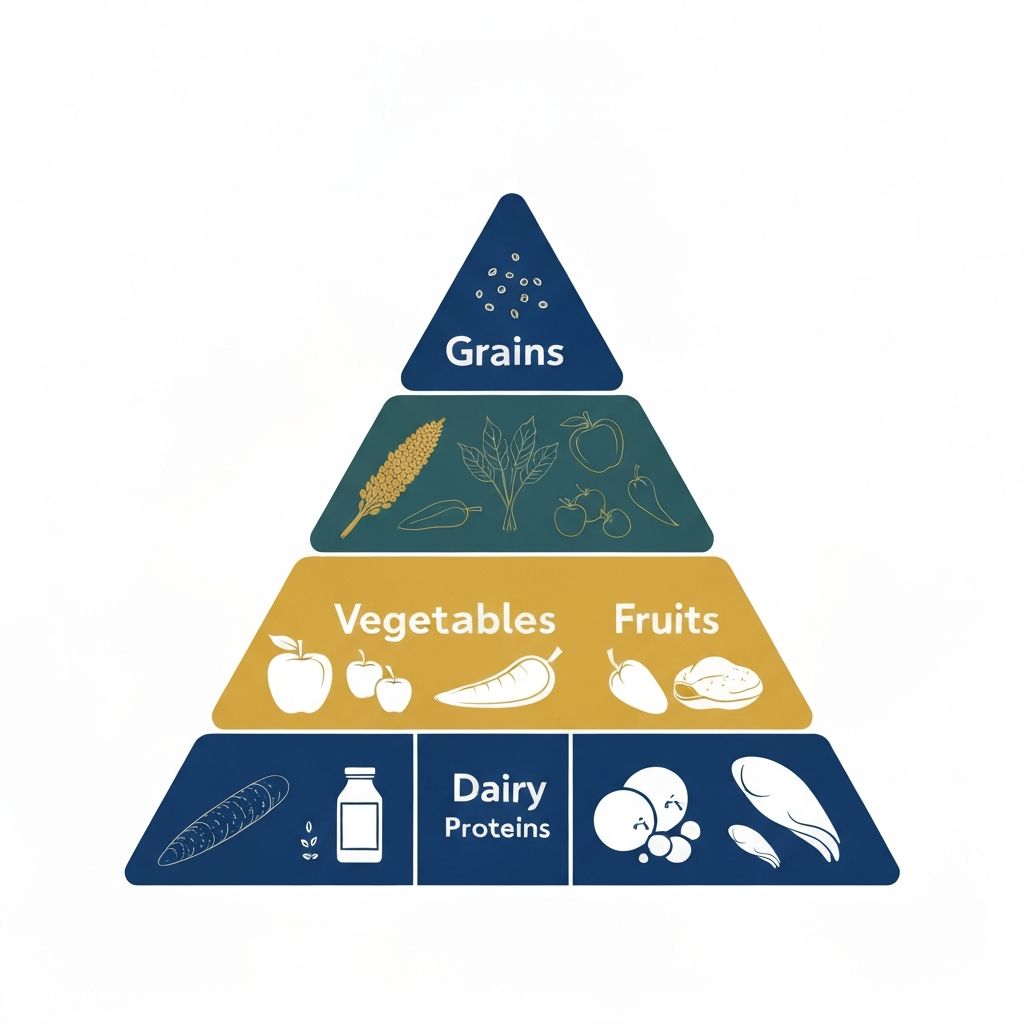
Proteins occur in both animal and plant sources. Animal sources (meat, fish, eggs, dairy) typically contain all essential amino acids, while plant sources often require combination to provide complete amino acid profiles.
Carbohydrates: Primary Fuel
Carbohydrates encompass a diverse class of compounds ranging from simple sugars to complex polysaccharides. Their primary role involves energy provision, particularly for the central nervous system and red blood cells.
Carbohydrate Categories
- Simple sugars: Monosaccharides and disaccharides with rapid absorption
- Complex carbohydrates: Starches with slower digestion and prolonged energy release
- Fiber: Indigestible carbohydrates supporting digestive health
Lipids: Essential Fats
Despite their caloric density, lipids serve critical physiological functions beyond energy storage. They comprise cellular membranes, facilitate nutrient absorption, and serve as precursors for hormones and signaling molecules.
Lipid Categories
- Saturated fats: Primarily from animal sources
- Unsaturated fats: Plant sources and fatty fish
- Trans fats: Largely synthetic, generally avoided
- Cholesterol: Steroid lipid with essential functions
Lipid Functions
- Cell membrane structure
- Hormone synthesis
- Vitamin absorption (A, D, E, K)
- Neurological function
- Thermal insulation
Context & Limitations
This article explains scientific principles of macronutrient metabolism and function. Individual nutritional requirements vary based on age, sex, activity level, health status, and genetic factors. No single macronutrient distribution applies universally. Consult with qualified healthcare professionals regarding personal nutritional needs.
Related Insights
Micronutrients
Explore the essential vitamins and minerals supporting metabolic function.
Learn More